
 reddit,
  TikTok, and
  instagram are full of people telling you to start your
  Amazon FBA business today.
You might think that it must be simple as everyone else claims to make instant money.
But no one tells you the reality.
Selling on Amazon is no magic. It’s messy and complicated when you start.
Every video tells you that their strategy is the best, leaving you with that ONE question: “Where do I start?”
We’ve studied the experiences of Amazon sellers who have spent years building their business on the platform and compiled Amazon FBA strategies that work (and those that don’t!)
Private Label
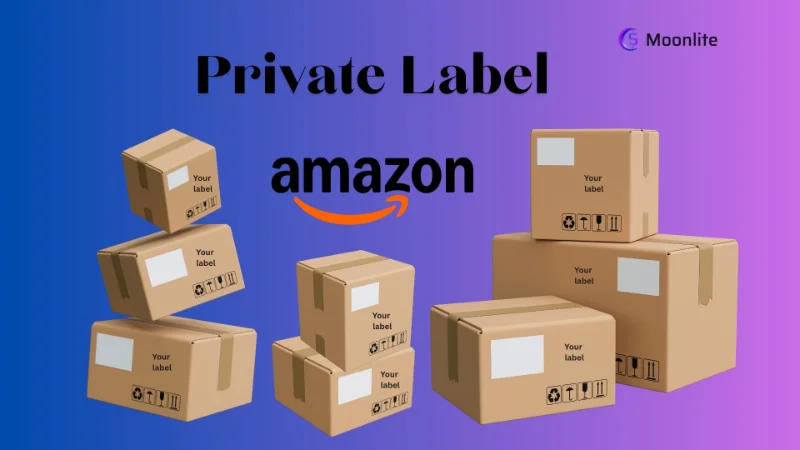
Private label (PL) means you create your own branded version of an existing product and sell it under your own brand name and packaging.
Amazon Private Label requires a significant capital to source products, design packaging, Advertising & Promotion. Yet, with higher investment comes bigger profits.
It may take you up to 6 months to start making profits. When you do, it may be up to 40%!
How It Works
Find Demand: You research products that are already selling well on Amazon. Look for products with low competition, consistent sales, manageable competition, and room for improvement. Tools like
 Helium 10
  junglescout and
 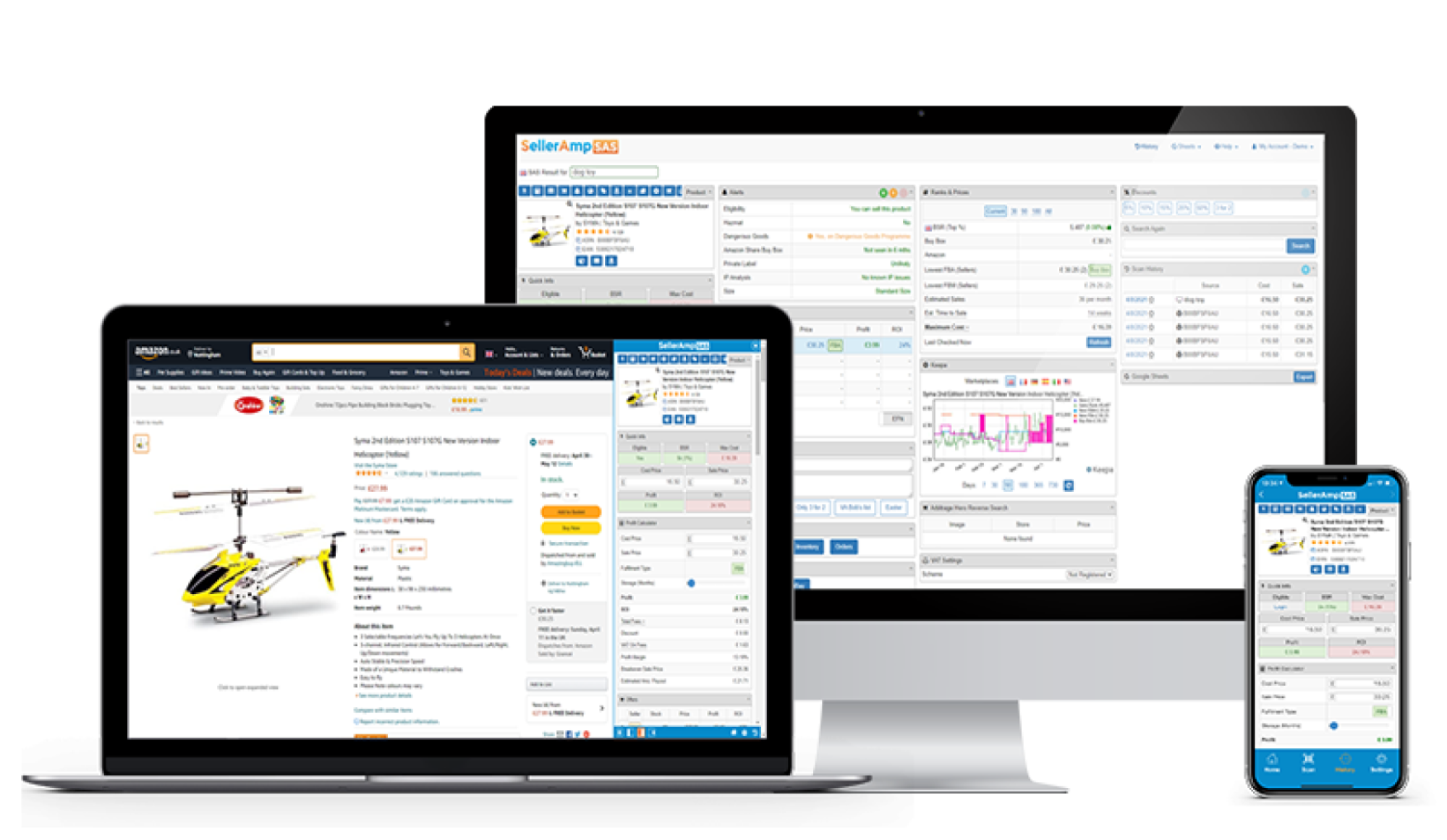 Seller Amp can come handy for product research. Also courses like
  Freedom Ticket by Helium 10 can help understand the basics of Amazon Private Label.
Source the Product: You find a manufacturer (often through platforms like
 Alibaba) that already produces that item.
Customize it: Add your logo, improve packaging, and bundle accessories. Upgrade quality if required.
Create a Seller Account: Sign up as a seller on Amazon Seller Central to start selling with Amazon.
Launch and Market: Send inventory to Amazon FBA, optimize your listing, run ads, and collect reviews.
Does It Work?
Private labels may or may not work, depending on how you approach it and how much you are willing to give. Two sellers selling on Amazon via private label may have two entirely different experiences, making it crucial to understand Amazon FBA mistakes to avoid.
One seller mentions, "I have tried Private Label but no success sadly. After three unsuccessful Private Label attempts, I think overly competitive markets were the culprit. The products moved, but ad costs ate into any potential profit, so I shut them down. Wholesaling has been a different story; zero ad spend, and brand recognition does the heavy lifting. I'm planning another Private Label run post-December with a consumable product that should naturally drive repeat purchases over time."
Another seller explains on Moonlite that most beginners fail because of their expectations and rushing. Most new sellers don’t fail because Amazon FBA is ineffective. They struggle because they enter the process with unrealistic expectations and move too quickly.
The first 30 days should be considered a learning phase, not a winning phase.
Reviews help build credibility, while PPC in the beginning should be run with a very small budget to identify what performs well and what doesn’t. The first month should focus on learning the market rather than making money.
Some common patterns include:
Expecting instant sales after launching
Believing reviews alone will generate traffic
Spending heavily on ads without proper testing
Running PPC before improving the product listing
Giving up before they gather meaningful performance data
If you view your first product as an experiment instead of a failure, you’re already ahead. Even small steps forward are still progress.
Our Verdict
Private Label works if you’re determined
Private label is a tough nut to crack, requiring significant Amazon FBA startup cost. But once it starts bearing fruit, you’ll love how sweet it is!
That said, private label (PL) may not be everyone’s cup of tea. Many people do not step into PL because of high costs, others often give up on their dream brand way too early when they’re unsure of why Amazon FBA fails.
So, it could be the best for people with capital and patience to make their spot in the competition.
One-off Clearance Arbitrage
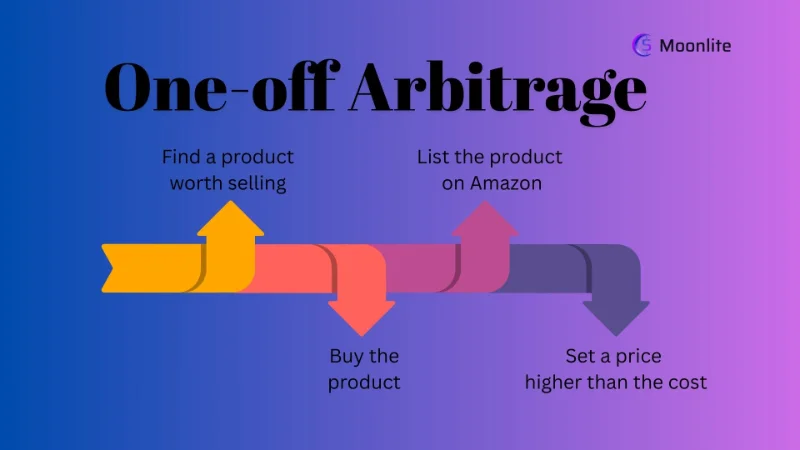
RA (retail arbitrage) and OA (online arbitrage) are among the most popular and straightforward Amazon selling strategies.
Sellers search for products at lower prices and sell them at a price of their choice to earn a profit.
retail arbitrage requires going to the store and looking for products and deals, whereas Amazon FBA Online Arbitrage Business involves using online arbitrage do the same, online.
How It Works
Find a Product: Look for items that have a significant price difference between your source and Amazon. Often people look for products on Costco,
 Walmart, and other retail stores to find the products they're looking for.
Check Amazon Fees: Factor in FBA (Fulfillment by Amazon) fees, shipping, and taxes.
Buy and List: Purchase the product and list it on Amazon with a competitive price.
Ship to Customers: Either fulfill orders yourself (FBM – Fulfilled by Merchant) or send them to Amazon’s warehouses (FBA: Fulfilled by Amazon).
Profit: The difference between your total cost (product + fees + shipping) and the selling price is your profit.
Does It Work?
Sellers say that arbitrage has become much tougher now, with margins so thin that it may not be worth the effort.
That said, for those who don’t want to build a brand from scratch, they suggest a hybrid approach: buying inventory of established brands or products from wholesalers or distributors and “squatting” on the buy box.
With high sales volumes, even small margins can add up, especially if applied to at least 10 ASINs. It’s similar to traditional arbitrage, but with potentially less hassle.
One seller said, "Talking of retail arbitrage, the most practical approach is to treat it like a wholesale channel. Prioritize items you can source in multiples rather than investing time hunting down individual units.
A particularly effective entry-level strategy is bundling smaller products. During the height of the Fortnite craze, for instance, I moved three-packs of those mystery figure bags typically found at checkout lanes. Bundles like these often leave you as the sole seller of what can quickly become a high-demand listing. As an added advantage, they tend to generate organic sales without any ad spend required."
Another seller mentioned, "I began with Retail and Online Arbitrage on a $1,000 starting budget, consistently achieving around 30% ROI monthly. As a model, it's relatively straightforward to execute."
Our Verdict
RA/ OA may not work best with one-off clearance products
retail arbitrage and online arbitrage are not dead as some ‘gurus’ claim, but the effort may not be worth the reward, especially with one-piece items. As many sellers suggest, one-off clearance arbitrage is among the most common Amazon FBA mistakes to avoid.
To profit from RA/OA, it is best to find bulk items and design bundles that no one else is offering.
Wholesale
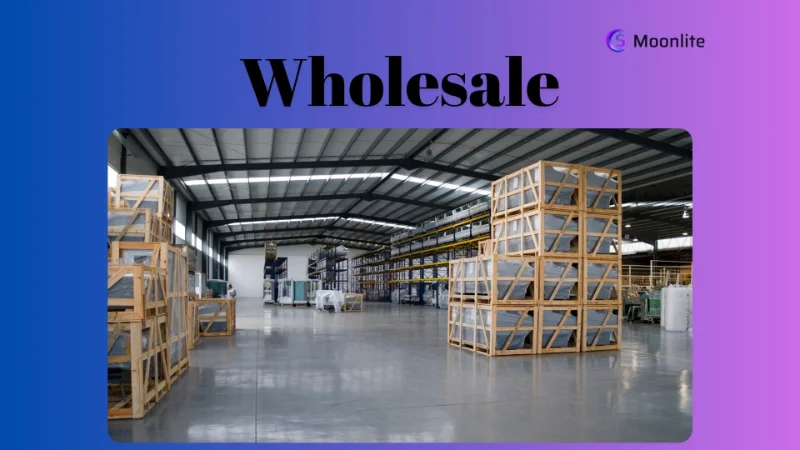
Wholesale sellers buy products from an established brand at a discounted price and send them on Amazon at a higher price.
Many sellers who do not want to get into private label selling prefer Wholesale . But it's not that simple, and required effort before you start making notable money as a wholesale Reseller .
How It Works
Set up your account: Sign up on Amazon as a professional seller to access wholesale opportunities.
Get approved: Provide business documents like your LLC, tax ID, and Amazon seller account information to be approved by a brand or authorized distributor.
Purchase inventory: Buy established brand products at discounted rates directly from the manufacturer or distributor in bulk.
Ship products to Amazon: Label, package, and send your inventory following
Amazon FBA requirements. Amazon stores, ships, and handles customer service.Earn profit: Sell the products at retail prices on Amazon, deduct fees, and keep the difference as profit.
Does It Work?
Amazon wholesale FBA is still considered worth trying, especially if you’re good with building relationships with suppliers. While getting approvals is hard, you can start with less popular brands and work your way up. Make sure to pick products that can give you a significant margin and present yourself to the brand professionally.
However, it's getting tough as many distributors aren't offering products at a price which can work on Amazon and also Amazon is getting strict with Brand Approvals.
Our Verdict
Tough and time-consuming, but wholesale FBA works
Dropshipping from Retailers
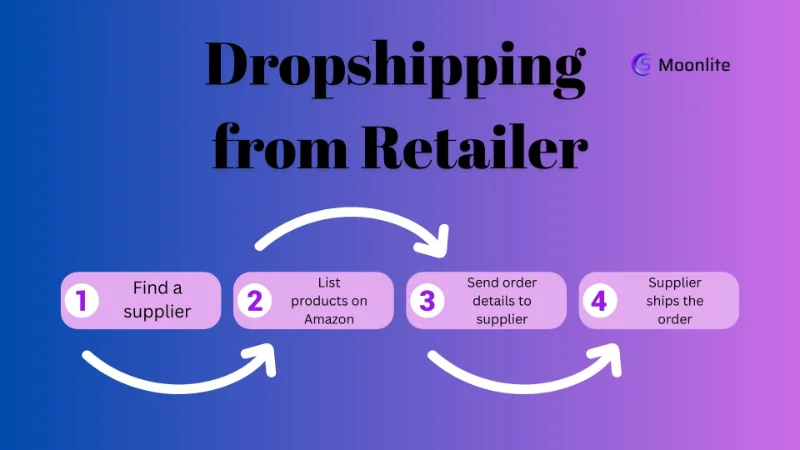
Dropshipping refers to selling products online without keeping an inventory. Dropshippers put up listings on their stores and get the orders fulfilled by their suppliers.
The vendor does not send the item to you to repack. Instead, they send the product to the customer directly with your packaging. This saves you the hassle of keeping inventory in a warehouse.
Often many people choose dropshipping instead of Amazon FBA private label and print on demand because of the convenience of virtual inventory management.
However, some people drop ship from retailers instead of vendors. The retailers send the products to the customers, sometimes with their bill or packaging, which can lead to account suspension.
How It Works
Find products: You look for products at retail stores that you think can be sold at a higher price.
List the product: List the product on Amazon at a higher price.
Place order: When a customer places an order, you go to a retail website, like
Walmart, Costco, Target, etc., and purchase that item.Ship to the customer: Send the product to the customer’s address.
Profit: The difference between the retail price and your price is the profit.
Does It Work?
Dropshipping from retailers is similar to retail arbitrage, but the absence of inventory makes a significant difference. Amazon only allows you to sell products with your label, without any trace of the original seller’s invoice or packing slips.
A seller posted that he created my account in 2020 after traveling to a networking event, where he met someone who manages Amazon accounts. He was introduced to Amazon dropshipping using eBay as the supplier. He did well for a few months, until his account was flagged under TOS Section 3, mentioning that he was selling a brand that was not authorized for selling.
Not only people on reddit have been complaining of account suspension for this reason, many have also reached out to Amazon Seller Central.
One shared, "This advice could be used by people interested in wholesale, dropshipping, or OA/ RA as well probably. I've been working through the process of reinstating my seller account following a deactivation tied to an alleged drop shipping policy violation, despite never having drop shipped. All inventory has been self-funded, personally stored, and fulfilled in-house without any third-party involvement in the shipping process. The likely trigger appears to be sourcing inventory from Walmart as a new seller, which seemingly raised flags on Amazon's end, even though every order was shipped directly from my own location. It was an oversight on my part as someone new to the platform, rather than any intentional policy breach."
Our Verdict
Dropshipping from retailers is not the best idea
Dropshipping from retailers may not be the best pick for 2026, as it may get your account suspended in case of a minor mistake.
Key Takeaway
As one of the sellers states, “For those starting Amazon with limited capital, Arbitrage offers the best learning curve, but with limited scalability. Wholesale demands more upfront investment but provides a more stable base by using established brands. Private Label is the hardest to start, but with more long-term growth and success."
Though Amazon Private Label tops the list of Amazon FBA strategies that work, the right choice depends on the capital and your goal. Follow these Amazon FBA tips for beginners from experiences of real sellers or enroll in a result-driven Amazon FBA course to make the most out of your Amazon FBA business!
Amazon FBA FAQs
Is Amazon FBA worth it in 2026?
It depends on your capital, patience, and goals. Amazon FBA still works in 2026, but sellers who treat it as a get-rich-quick scheme usually fail. Private label takes the most capital and time (often 6+ months before real profit), wholesale needs supplier relationships, and arbitrage has thinner margins than before. It is worth it if you go in with realistic expectations, enough starting capital for your chosen model, and the patience to treat your first few months as a learning phase rather than a payday.
What are the biggest Amazon FBA mistakes to avoid?
Based on real seller experiences, the most common Amazon FBA mistakes to avoid are: expecting instant sales right after launch, believing reviews alone will drive traffic, spending heavily on PPC ads before your listing is optimized, treating one-off clearance arbitrage like a scalable business, and drop shipping from retailers instead of legitimate suppliers, which risks account suspension. Treat your first 30 days as a learning phase, start PPC with a small budget, and always check Amazon's policies before sourcing inventory from retail stores.
How do I start an Amazon FBA business with little money?
Retail and online arbitrage are the most accessible starting points if your budget is tight. One seller in this article started with just $1,000 and consistently hit around 30% ROI per month. Focus on bundling smaller products, sourcing items you can buy in multiples, and reinvesting profits instead of spending on ads early on. Private label and wholesale both need more upfront capital, so save those for once you have more cash to work with.