

You spent years studying for a career that promised stability and good pay. And technically, it delivered. You have the job, the salary, the credentials.
But somewhere between your third busy season and your fifth missed weekend, something shifted.
You are good at what you do. You know exactly what your firm charges clients for your time, anywhere from $150 to $400 an hour. And you know how little of that actually lands in your account.
It is not just you. Nearly 99% of accounting professionals report burnout. Over 300,000 have quietly walked away from the profession since 2020, per Bureau of Labor Statistics data.
The ones who stayed are building income outside their day job, and most of them started exactly where you are right now.
Your skills are worth more than one employer is willing to pay you. This article shows you 7 specific ways to prove that in 2026, ranked from most practical, each with honest income ranges, time commitments, and what it actually takes to start.
The Best Side Hustles for Accountants in 2026
Every option here comes with a realistic income range, an honest time commitment, a startup cost, and who it actually suits.
Group A: Side Hustles That Use Your Accounting Skills
You do not need to learn anything new to start making money on the side. The skills you use every day at work are exactly what thousands of small businesses are desperately trying to find and pay for.
The accounting talent shortage is not your problem. It is your leverage.
1. Freelance Bookkeeping

If you want the fastest path to side income with the least amount of setup, this is it.
Most small business owners are brilliant at running their business and terrible at keeping their books. They do not need a full-time accountant.
They need someone reliable, remote, and competent to handle the financials once or twice a week. That is you.
You will be doing what you already know how to do.
Reconciling accounts
Managing the month-end close
Handling payables and receivables, all of it remote inside
 quickbooks or
 Xero .
On the income side, most bookkeepers work on monthly retainers rather than on an hourly basis. Here is what that looks like in practice:
Entry-level: $20 to $30 per hour or $300 to $600 per client per month
Experienced: $60 to $75 per hour or $800 to $1,500 per client per month
Three clients at $500 a month is $1,500 in recurring income for roughly 15 hours of work. Start with one, get comfortable, then add more.
The startup cost is close to zero. The QuickBooks Online ProAdvisor certification is completely free and gets you listed in their official directory, where small businesses are actively searching for help right now.
To find your first client, start there, or post on LinkedIn that you are available. Most people land their first client through someone they already know.
Best for: Any accountant at any experience level.
2. Tax Preparation and Tax Planning

You already understand taxes more than most people ever will. Why not get paid directly for that knowledge instead of letting your firm capture it all?
Tax preparation is one of the most straightforward side hustles for accountants because the demand is completely predictable. Every January, millions of individuals and small business owners start panicking about their returns.
A good chunk of them will pay well for someone they trust to handle it.
The income during tax season is genuinely significant.
Individual returns typically range from $250 to $1,000, depending on complexity.
Business returns go higher. If you take on 20 individual clients in a season, that is anywhere from $5,000 to $20,000 in three to four months.
The hourly rate for tax work runs from $30 to $150, depending on your credentials and the complexity of the work.
The startup cost is minimal:
PTIN registration with the IRS: $18.75, and takes about 15 minutes
Tax software: $300 to $1,500 per year, depending on what you use
E&O insurance: recommended but optional when starting out
One thing worth knowing specifically for 2026. The IRS has been tightening the 1099-K reporting thresholds for gig workers, which means millions of freelancers and side hustlers now have tax situations they have never dealt with before.
That is a brand new pool of clients who need professional help and do not know where to turn.
If you want zero overhead to start,
 TurboTaxLive hires remote CPAs and Enrolled Agents as seasonal contractors.
 You work from home, set your availability, and get paid without having to find your own clients.
The minimum is 20 hours a week during the season, which makes it a genuine side hustle rather than a full second job.
The one limitation here is the seasonality. Most of your income is concentrated from January through April. The solution is to offer year-round tax planning as a premium add-on. Clients who pay $400 for a return will often pay $100 to $200 a month for quarterly planning calls and proactive advice. That turns a seasonal hustle into consistent monthly income.
Best for: CPAs and Enrolled Agents get the most mileage here, but any accountant with a PTIN can legally prepare returns and start building a client base.
3. QuickBooks and Accounting Software Consulting
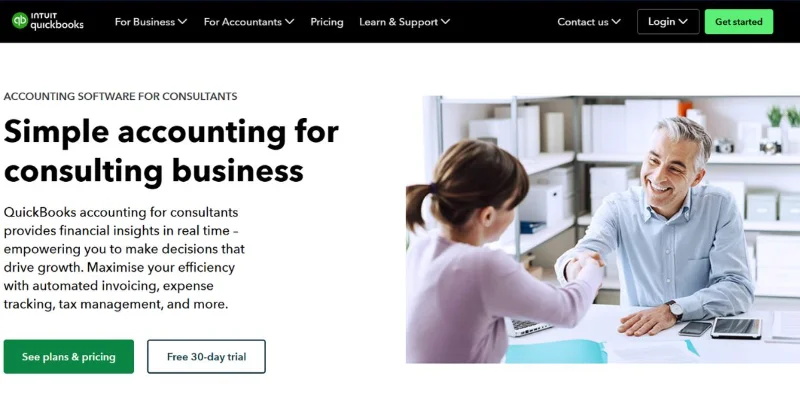
Every small business that switches to quickbooks or Xero needs someone to set it up properly, migrate their data, and show them how to actually use it. Most of them get it wrong and spend months cleaning up the mess. You can be the person they call to fix that.
Getting started is straightforward.
Head to the QuickBooks ProAdvisor program online
Sign up for free
Complete the certification.
It takes a few hours, and once you are done.
You get automatically listed in their official directory, where small businesses actively search for help.
No cold outreach, marketing budget, or chasing clients.
From there, your services can cover:
Setting up QuickBooks for a brand-new business
Migrating existing books from spreadsheets or older software
Cleaning up a chart of accounts that has turned into a disaster
Training business owners or their staff on how to use the software properly
The hourly rate is $50 to $150 when working independently, and the time commitment is flexible, ranging from 5 to 15 hours a week. You can also find work on  upwork and
  fiverr if you want, clients without relying solely on the ProAdvisor directory.
The ceiling on this one is higher than most people expect. Several QBO consultants have built six-figure practices purely through referrals once they built a reputation.
Best for: Any accountant already comfortable with QBO or Xero. If you use it at work, you are already qualified.
4. Fractional CFO Services

This one is not for everyone, but if you have the experience, it is the highest-earning option on this entire list.
Here is the reality most small- and mid-size-business owners live with. They desperately need CFO-level thinking. Cash flow forecasting, KPI tracking, financial modeling, and fundraising strategy. But they cannot justify a full-time CFO salary.
So they either go without it or make expensive decisions blindly. That gap is exactly where you come in.
As a fractional CFO, you serve multiple clients at the same time, typically two to four, giving each of them 5 to 10 hours a week of your time. The income reflects the seniority of the role:
Hourly rate: $150 to $500
Monthly retainer per client: $3,000 to $15,000
Annual potential across multiple clients: $60,000 to $250,000+
To get started:
Platforms like
 Toptal ,
  Paro , and
  CFOShare connect fractional CFOs with businesses actively seeking to hire.
  linkedin is also powerful at this level because your experience and credentials do the selling for you.
 Past colleagues, former employers, and your professional network are often where your first client comes from.
Best for: Accountants with 8 or more years of experience, especially those with an FP&A, corporate finance, or controller background. If you have sat close to the CFO's seat, you already know how to do this work.
Group B: Side Hustles That Do Not Involve More Accounting
Not every accountant wants to spend their evenings doing what they already do all day. That is completely reasonable. The good news is your skills translate into income in ways that have nothing to do with balance sheets or tax returns. This group is for you.
5. Selling Online Courses

If you have ever explained a concept to a colleague or client and thought, "I could teach this", you probably can. And people will pay you for it.
The demand for accounting and finance education online is massive right now. Small business owners want to understand their numbers. Bookkeeping beginners want to learn QuickBooks. Accounting students want CPA exam prep.
These are real people with real problems searching for someone who can explain things clearly, and most of the content out there is either outdated, overcomplicated, or both.
Getting started is simpler than most people think.
Pick one topic you know well.
Something specific, like setting up a chart of accounts in QuickBooks or understanding small-business tax deductions.
Record it with a screen recorder and a decent microphone, neither of which should cost more than $100.
Upload it to
 Udemy for free, and you are live.
What you can realistically earn:
Average Udemy instructor: around $3,300 per year
Top performers on Udemy: $50,000+ per year
On your own platform like
 Teachable : $5,000 to $50,000+ per year with an audience
That average number looks low, but it is dragged down by people who upload a single mediocre course and then abandon it. The ones earning serious money publish multiple courses and treat them like real products.
The honest time breakdown:
Upfront to build your first course: 40 to 100 hours
Weekly maintenance and marketing after launch: 2 to 5 hours
The model is genuinely passive once the course is built. You create it once, and it sells while you sleep. Add more courses over time, and the revenue compounds without adding proportional hours.
Best for: Accountants who enjoy teaching and can break down complex topics without making people's eyes glaze over.
6. Selling Spreadsheet Templates and Digital Products
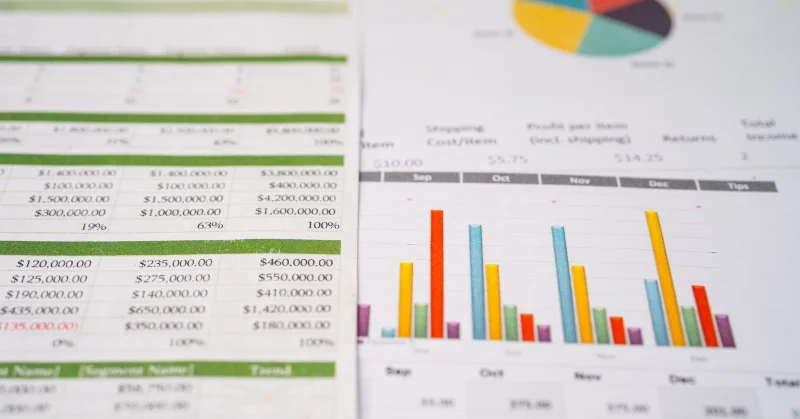
Most accountants build spreadsheets for free every single day. A budget model here, a cash flow tracker there, a financial dashboard for a client who needed it yesterday.
You build them, hand them over, and move on. What if you built them once and sold them a thousand times instead?
That is exactly what selling digital templates is.
You package your expertise into a product
And every time someone buys it, money lands in your account without you doing a single extra minute of work.
 Etsy
Etsy Gumroad
What sells well:
Monthly budget planners and expense trackers
Small business bookkeeping workbooks
Cash flow forecasting templates
Financial dashboard spreadsheets for specific industries
What you can realistically earn:
Getting started: $500 to $2,000 per month with a small product library
Established sellers: $5,000 to $10,000+ per month
The honest time breakdown:
Building a quality product library upfront: 20 to 50 hours
Weekly maintenance and marketing after launch: 2 to 5 hours
The startup cost is virtually zero. Someone buys your template, downloads it instantly, and that transaction is complete.
The biggest mental shift here is thinking like a product creator rather than a service provider. You are not solving one person's problem; you are solving the same problem for thousands of people at once.
Best for: Detail-oriented accountants who enjoy building clean, well-structured systems and want income that does not require showing up for anyone.
7. Financial Coaching

Most people are terrible with money because nobody ever taught them how to manage it properly. They are drowning in debt, living paycheck to paycheck, or making decent money but somehow never getting ahead.
They do not need an investment advisor. They need someone to sit down with them, look at their numbers, and help them build a plan.
That is financial coaching. And as an accountant, you are more qualified to do this than you probably realize.
The important distinction here is that financial coaching is not financial advising. No need for recommending investments or managing portfolios, which would require securities licenses.
You are helping people with budgeting, debt payoff strategies, savings goals, and building better money habits. No license required to do any of that.
What a typical client engagement looks like:
An initial session to review their income, expenses, and financial goals
A monthly check-in to track progress and adjust the plan
Accountability and guidance between sessions via email or messaging
What you can realistically earn:
Hourly sessions: $50 to $150 per hour
Monthly coaching packages: $200 to $500 per client
Getting started requires very little.
A simple website, a way to take video calls
A basic intake form to understand a new client's situation before your first session.
Budget $100 to $500 to set this up, and you are ready to take on clients.
The one honest caveat here is that this side hustle requires you to genuinely enjoy working with people. Unlike bookkeeping or templates, you are in the relationship business.
If client interaction drains you, this is not your best option. But if you light up when you help someone finally understand where their money is going, this can be deeply rewarding on top of the income.
Best for: Accountants who enjoy working with people as much as they enjoy working with numbers.
Conclusion: The Last Thing You Need to Hear Before You Start
The 2024 CFO Survey found that 83% of financial leaders cannot find qualified accounting help right now. The profession is short on talent and long on demand.
The skills your firm has been underpaying you for are the exact skills freelance clients are actively searching for and paying a premium to access.
You do not need to quit your job tomorrow or make a business plan.
You need to pick one option from this list and take one action this week.
Sign up for QBO ProAdvisor certification.
Register for a PTIN. Build one spreadsheet template.
The accountants building income outside their day job are not more talented than you. They just started.
If you want to connect with others doing exactly this, the Moonlite Money community is where that conversation is already happening. Come find your people.
FAQs
Can accountants do a side hustle while working full-time at a firm?
Yes, but check your employment contract first. Many firms restrict outside work, and violating those terms can cost you your job and your license. Once you are clear on the boundaries, there is plenty of room to operate within them.
Do accountants need extra licenses or certifications to start a side hustle?
It depends on what you do. Tax preparation requires a PTIN ($18.75 from the IRS). Bookkeeping and consulting require nothing beyond your existing knowledge. If you hold a CPA license, just make sure it stays active and unrestricted.
How much tax will accountants pay on their side hustle income?
Side hustle income is subject to 15.3% self-employment tax on top of your regular income tax. The 20% QBI deduction can offset a portion of this for qualifying self-employed income. The good news is you already understand this better than most people ever will.